
What a budget trip looks like vs a comfortable Great Ocean Road trip is a question I get asked almost every week by travellers staring down the long barrel of a long weekend, a car rental bill and a weather forecast that’s looking “changeable” to say the least. I’m Paul Beames, and after years and years of showing mates around Australia & more laps of Victoria’s south-west coast than I can even keep track of, I can tell you this: the Great Ocean Road is doable on a shoestring, but being cheap and cheerful aren’t always the same thing.
This is the classic Australian road trip along a rugged coastal drive, and it’s one that rewards planning, timing, and an honest conversation about what matters to you. Some people shortcut the planning by booking with an operator such as Wildlife Tours Australia, while others prefer to piece their trip together themselves. Do you want to stumble out of your swag at dawn with sand in your toes near Wreck Beach, or roll into Apollo Bay with a flat white in hand as the mist lifts off the Southern Ocean? Both are valid options, but they cost very different amounts.
Contents
- 1 Where Your Travel Budget Actually Gets Spent
- 2 Budget Travel: Stretching Your Cash Without Losing the Plot
- 3 Comfortable Travel: Paying for Ease and Space
- 4 Side-by-Side: Budget vs Comfortable Road Trip
- 5 Timing: Where Comfort Meets Budget
- 6 What to Expect from Both Ends of the Spectrum
- 7 Sticking to What Works for You
- 8 Final Thoughts: Spend Your Money Where It Matters
- 9 FAQ
Where Your Travel Budget Actually Gets Spent

Before splitting hairs between budget and comfort travel, you need to know where the money goes. This is regional Australia, not Europe with cheap trains and €3 beers. Long distances, limited beds and peak-season pricing can sting.
On the Great Ocean Road, spending usually falls into four buckets:
- Transport costs: fuel, car hire, parking
- Accommodation options: camping fees to boutique lodges
- Food and drink: servo pies vs coastal dining
- Travel experiences: lookouts are free, but time isn’t
Most visitors fixate on headline stops like the Twelve Apostles, Loch Ard Gorge, Gibson Steps and London Arch, but it’s the small expenses between those stops that quietly add up.
According to Tourism Research Australia, the average domestic visitor in regional Victoria spends around AUD $670 per trip, with most of it going on accommodation and food. Base yourself near Port Campbell or Apollo Bay and that number climbs fast.
Budget Travel: Stretching Your Cash Without Losing the Plot
Budget travel on the Great Ocean Road isn’t about suffering, it’s about compromise. You trade comfort for flexibility and convenience for time.
I’ve done plenty of budget runs along this road, especially overnighting near Kennett River or Wye River, pulling into a free camp found on WikiCamps after dark.
Getting Around on a Shoestring
If you’re travelling cheap, you’ll usually:
- Share a small hire car or use your own vehicle
- Fill up before heading toward Skenes Creek or Apollo Bay
- Accept slower progress behind caravans and buses
Public transport exists, but it won’t get you to Gibson Steps at sunrise or to quieter coastal corners. That’s why self-drive or a guided option like a 3 day Great Ocean Road tour often makes more sense for budget travellers short on time.
Budget Accommodation
This is where real savings happen. Budget travellers usually choose:
- Powered or unpowered campsites near Johanna or Kennett River
- Hostels and budget motels in Apollo Bay or Port Campbell
- Simple cabins near Wye River or Skenes Creek
Waking up near Maits Rest or the forests around Cape Otway is magic. Packing a wet tent after a cold night? Less so.
Eating on a Budget
Budget food planning is simple:
- Buy groceries before hitting the coast
- Use camp kitchens
- Rely on bakeries and fish-and-chip shops
Whether you’re near Logans Beach or Sheoak Falls, planning ahead keeps food costs down.
Comfortable Travel: Paying for Ease and Space
Comfortable travel isn’t about luxury, it’s about reducing stress. It means having time to breathe and not constantly watching the clock.
This approach allows proper time at places like Loch Ard Gorge, The Grotto and London Arch without rushing or parking panic. It’s the same philosophy used by small-group operators like Wildlife Tours Australia.
Transport That Makes the Drive Easier
Comfort-focused travellers usually:
- Hire a mid-size SUV for stability and power
- Avoid peak arrival times at the Twelve Apostles
- Drive early or late near Port Campbell
A solid vehicle makes winding Otways roads and Cape Otway Lightstation drives far less tiring.
Accommodation That Lets You Recover Properly
This is where costs rise — and comfort improves. Popular options include:
- Coastal cabins or boutique lodges near Apollo Bay
- Hotels close to Port Campbell for sunset access
- Eco-stays near Maits Rest in the Otways
Private bathrooms, proper heating and soundproofing matter more than people admit.
Eating Without Compromise
Comfortable travel usually means:
- Eating because the place is good, not cheap
- Booking ahead in peak season
- Enjoying slow dinners instead of car-park meals
It beats eating on your lap outside The Grotto every time.
Side-by-Side: Budget vs Comfortable Road Trip
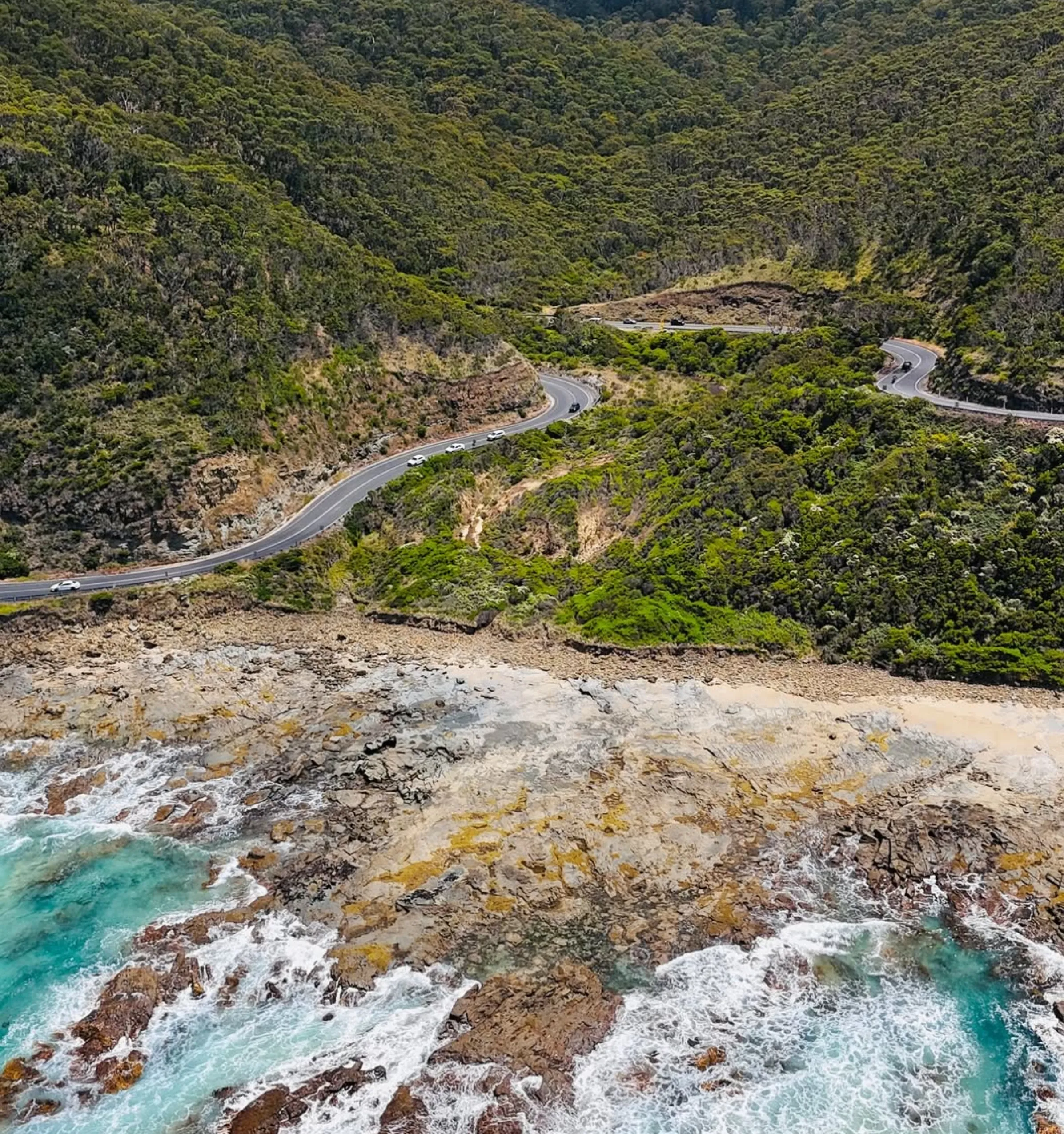
Here’s a rough guide to how it all usually stacks up in real numbers – this is basically a head-to-head between doing it yourself and booking a three-day Great Ocean Road tour.
| Category | Budget Trip (AUD) | Comfortable Trip (AUD) |
|---|---|---|
| Transport | $80–$120 | $150–$220 |
| Accommodation | $40–$80 | $250–$400 |
| Food & Drink | $60–$100 | $150–$250 |
| Activities | Mostly free | Mostly free |
| Approx Total | $180–$300 | $550–$850 |
Assuming you’re visiting the main coastal places such as the Bay of Islands, Loch Ard Gorge, and The Twelve Apostles, and not taking any detours into South Australia or the far north toward destinations like the Daintree Rainforest or Cape Tribulation, these estimates should suffice.
Timing: Where Comfort Meets Budget
The age-old trade-off between budget travel and comfortable travel can be significantly reduced by choosing the right time to travel.
- If you head to Erskine Falls and Sheoak Falls during the shoulder season, you’ll find they’re a lot less crowded
- Mid-week stays in Apollo Bay and Port Campbell will work out a lot cheaper
- Getting an early start will get you to the Memorial Arch and those roadside War Memorial pull-offs before the crowds arrive
I’ve seen the cost of a room near Cape Otway drop by hundreds of dollars simply by moving the dates.
What to Expect from Both Ends of the Spectrum
No matter how much you shell out, there are some things that just stay the same.
What Budget Travel Gets Right
- Having the flexibility to go with the flow
- Being more in tune with nature
- Finding some peace and quiet in spots like Phantom Falls or Wreck Beach
Where Budget Travel Often Falls Short
- Coping with bad weather
- Getting a good night’s sleep
- Dreading the long queues around the main tourist spots
What Comfortable Travel Gets Right
- Having the energy to keep up with your plans
- Making the most of your time
- Being able to get to places like the Otway Fly and the Cape Otway Lightstation
Where Comfort Travel Can End Up Missing the Mark
- Packing too much in and ending up with nothing left to breathe
- Filling your days with pointless activities just to justify the cost
Sticking to What Works for You
Ask yourself a few questions:
- Do I value getting a good night’s sleep or just being able to roll with it?
- Do I have any choice but to go during peak season?
- Is there any other chance I’ll ever get to places like Kennet River, Wye River or Logans Beach?
Being honest with yourself will save you from wasting money.
Final Thoughts: Spend Your Money Where It Matters
After years of living on this incredible coastline, here’s my golden rule: just focus on the stuff that matters to you, and skip the rest – spend where comfort is a must and save where it’s not really necessary. Whether you go it alone or splurge on a 3-day Great Ocean Road tour with Wildlife Tours Australia, one thing is for darn well sure: knowing what you really care about and what you can cut corners on makes the whole experience so much more enjoyable.
Whether you’re trekking through Maits Rest, hanging out at the Bay of Islands to watch the waves roll in, or timing sunsets at London Arch, the ultimate Great Ocean Road trip is the one that strikes the right balance between your energy levels and your budget.
FAQ
Can I still do the Great Ocean Road on a tight budget?
You bet – with a bit of planning (think shared transports, camping, and getting your food sorted), it’s super achievable.
When’s the best time to go if you’re watching your pennies?
Late winter and those shoulder season times are always a good bet – you’ll get better prices, and the crowds are a lot smaller at the bigger sites.
Do I need to book my digs well in advance if I’m going at peak time?
You’d better believe it – especially in places like Apollo Bay and Port Campbell.
Is it safe to camp along the route?
Yeah, as long as you stick to designated sites and listen to what the locals have to say.
How long should I plan to stay?
A minimum of two nights will get you by, but if you can swing three or four, you’ll be laughing – it’ll be so much more relaxed that way.